How to Buy Art: A Comprehensive Guide for Art Collectors
12/23/2024

Purchasing art is a deeply personal and often transformative experience. Whether you’re a first-time buyer or a seasoned collector, the process of acquiring artwork is not simply transactional but an emotional and intellectual pursuit. Art has the power to evoke emotion, elevate spaces, and serve as an investment, all while connecting the buyer to the artist’s vision and culture. If you’re considering buying art, this comprehensive guide will help you navigate the world of art collecting, from understanding your preferences to making informed purchasing decisions.
1. Understanding Your Taste and Purpose
Before you even start looking for art, it’s important to reflect on what you like and why you want to buy art in the first place. Are you purchasing for investment purposes, to beautify your home, or to support emerging artists? Art collectors often have a variety of motivations, and understanding yours will help you make more thoughtful choices.
- Personal Aesthetic: Do you prefer abstract or representational art? Are you drawn to bold, vibrant colors, or more subtle, muted tones? Your personal preferences will guide you in finding pieces that resonate with you on an emotional level.
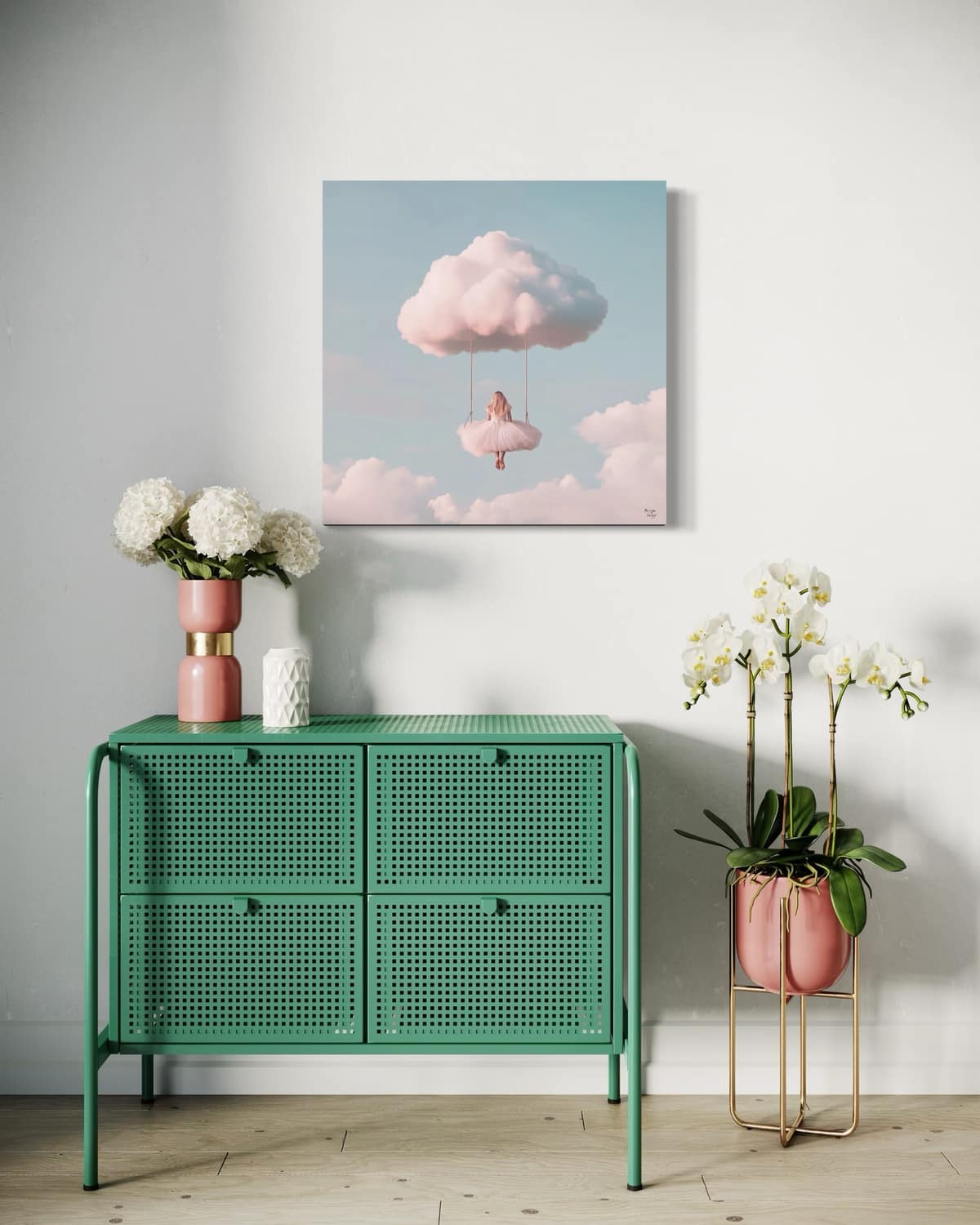
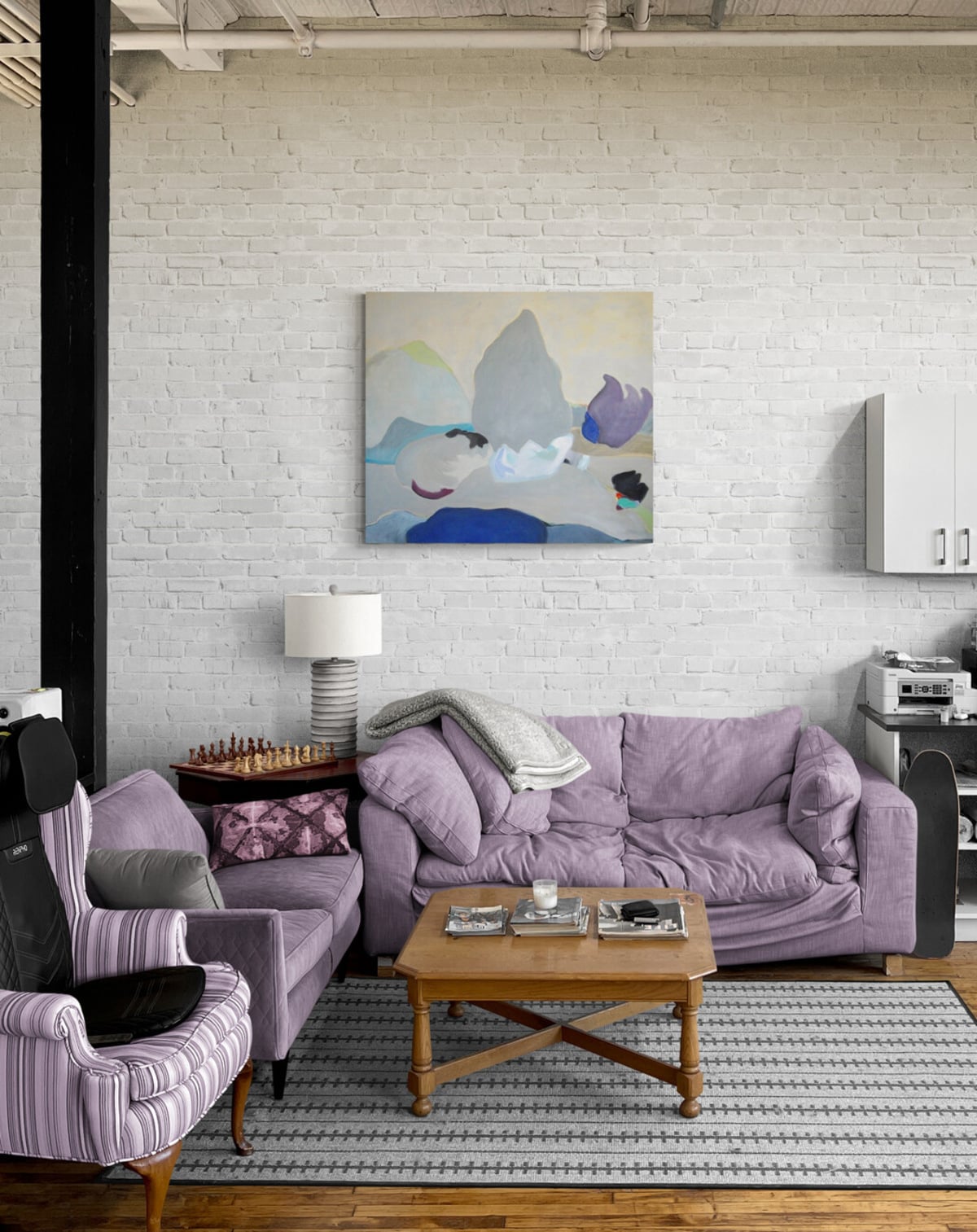
- Space Considerations: Consider the space where you plan to display the art. Large-scale works can make a dramatic statement in spacious rooms, while smaller, more intimate pieces might be ideal for cozy corners or personal offices.
- Art as Investment: Many art buyers view their acquisitions as long-term investments. If this is your goal, you should focus on works from well-known or emerging artists with a proven track record or potential for future appreciation.
2. Research the Market and Art World
The art world is vast and can be overwhelming, especially if you’re a beginner. However, a bit of research will go a long way in helping you make informed decisions.
- Learn About Artists: Whether you’re interested in contemporary art, classical works, or niche genres, it’s important to familiarize yourself with key artists in those fields. Art history books, gallery websites, museum exhibitions, and online platforms like Artsy or Artnet are great resources for discovering artists.
- Art Movements and Styles: Different art movements like Impressionism, Surrealism, or Minimalism have distinct characteristics. Understanding these movements will give you insight into the context and significance of the art you’re considering.
- Gallery Visits and Art Fairs: Attending gallery exhibitions and art fairs is one of the best ways to immerse yourself in the art scene. These events provide opportunities to see works in person, meet artists and gallery owners, and network with other collectors.
3. Determine Your Budget
Budgeting for art can be tricky because prices vary significantly based on an artist’s fame, the medium used, the size of the work, and its provenance. Establishing a budget will help you focus your search and prevent impulse purchases.
- Consider the Total Cost: When buying art, consider not only the cost of the piece itself but also potential framing, insurance, shipping, and installation fees. These additional costs can add up, especially for large-scale works or international purchases.
- Investment Potential: If you’re purchasing art as an investment, be prepared to allocate more funds. However, remember that investing in art carries risks, and it’s often a long-term strategy.
- Start Small: If you’re just starting out, it may be wise to begin with more affordable pieces from emerging artists or limited editions. This allows you to build your collection without breaking the bank.
4. Where to Buy Art
Once you’ve done your homework and have a clearer sense of your preferences and budget, the next step is deciding where to buy your art. There are several platforms and venues where you can make a purchase, each offering unique advantages and challenges.
- Galleries: Traditional art galleries are one of the best places to discover high-quality art. Gallery owners are usually well-versed in the works they represent and can offer insights into an artist’s background, techniques, and creative process. Additionally, galleries often provide personalized service and help with installation and framing.
- Art Auctions: Auctions, like those held by Christie’s or Sotheby’s, offer a different buying experience. Auctions are often used for high-value pieces, such as classic artworks or rare collectibles. Bidding can be competitive, but it also allows collectors to acquire pieces that are difficult to find elsewhere. It’s important to research auction prices and trends before committing to a bid.
- Online Platforms: Online art marketplaces such as ARTmine, Saatchi Art, and Artsy has made buying art more accessible. Online platforms allow collectors to explore a wide variety of artists and styles from the comfort of their own homes. However, purchasing online can be riskier because you don’t have the opportunity to see the artwork in person before committing.
- Artist Studios: Purchasing directly from an artist can be one of the most rewarding ways to acquire art. This often allows for a more personal connection and may result in lower prices compared to gallery commissions. Many artists have online shops or social media profiles where they showcase their work, offering collectors the chance to buy pieces directly.
5. Evaluating Artworks
When it comes to evaluating a piece of art, it’s essential to approach it with both your heart and mind. Here are several factors to consider:
- Artist’s Reputation: If you’re buying art from a well-established artist, their reputation can affect both the price and the potential for future appreciation. Emerging artists, while less expensive, may offer significant growth potential.
- Provenance: The provenance, or history of ownership, is critical for ensuring the authenticity and value of an artwork. A piece with a well-documented history is typically worth more, especially if it has been in the collection of prestigious galleries or museums.
- Condition: The physical condition of an artwork plays a major role in its value. Check for any damage, such as cracks, fading, or discoloration. Some deterioration may be part of the charm of older pieces, but significant damage can reduce the artwork’s value.
- Signature and Documentation: Authentic works are typically signed by the artist and come with documentation verifying their authenticity. Certificates of authenticity, gallery receipts, and exhibition history are all useful when verifying a piece’s legitimacy.
6. Negotiating and Making the Purchase
Once you’ve identified a piece that you’re interested in, it’s time to negotiate the price and finalize the purchase. The price of a piece may be fixed, or there may be room for negotiation, depending on the venue or artist.
- Don’t Hesitate to Ask Questions: If you’re uncertain about any aspect of the artwork—whether it’s the price, the artist’s background, or the condition—don’t hesitate to ask the gallery owner, auction house representative, or the artist directly.
- Understand Payment Terms: Some galleries and platforms offer payment plans, allowing you to pay over time. Make sure to inquire about any interest or fees associated with these plans.
- Take Your Time: Art buying is not a rushed decision. It’s important to feel confident and excited about your purchase. If you need more time to think, don’t hesitate to step away and revisit the decision later.
7. Caring for Your Art Collection
Once you’ve bought your artwork, it’s crucial to care for it to ensure it retains its value and beauty over time.
- Framing: High-quality framing can enhance the presentation and protect the artwork. For paintings and prints, consider using acid-free mats and UV-protective glass.
- Display: Keep art in a space where it’s safe from direct sunlight, humidity, and extreme temperature changes, as these can cause fading or damage.
- Insurance: If your collection is valuable, consider insuring your artwork. Many insurance policies offer coverage for damage, theft, or loss, which provides peace of mind.
Conclusion
Buying art is both an investment and an experience that enriches your life in countless ways. By carefully considering your tastes, researching the art world, setting a budget, and evaluating pieces thoughtfully, you can build a collection that is meaningful, visually stimulating, and financially rewarding. Whether you are purchasing art for investment, personal enjoyment, or a combination of both, the process is an exciting journey that allows you to connect with the rich world of creativity and expression.