The Art Collector Beginner’s Guide
10/31/2024
If you live in a major art hub like New York City, chances are you’ll be surrounded by hundreds if not thousands of galleries and artists. But navigating this abundance can feel overwhelming, especially if you’re starting your first art collection. How do you sift through the sheer volume of art to find pieces that resonate with you? Where do you begin if you’re not a seasoned collector or don’t have endless financial resources?
The key to starting your collection lies in thoughtful exploration. Whether you aim to create a personal sanctuary of artworks that bring joy or are pursuing art as an investment, building a collection requires time, attention, and an openness to discovery. This guide offers practical tips to help you start collecting with confidence—whether your budget is modest or generous, and whether your focus is purely aesthetic or financially strategic.
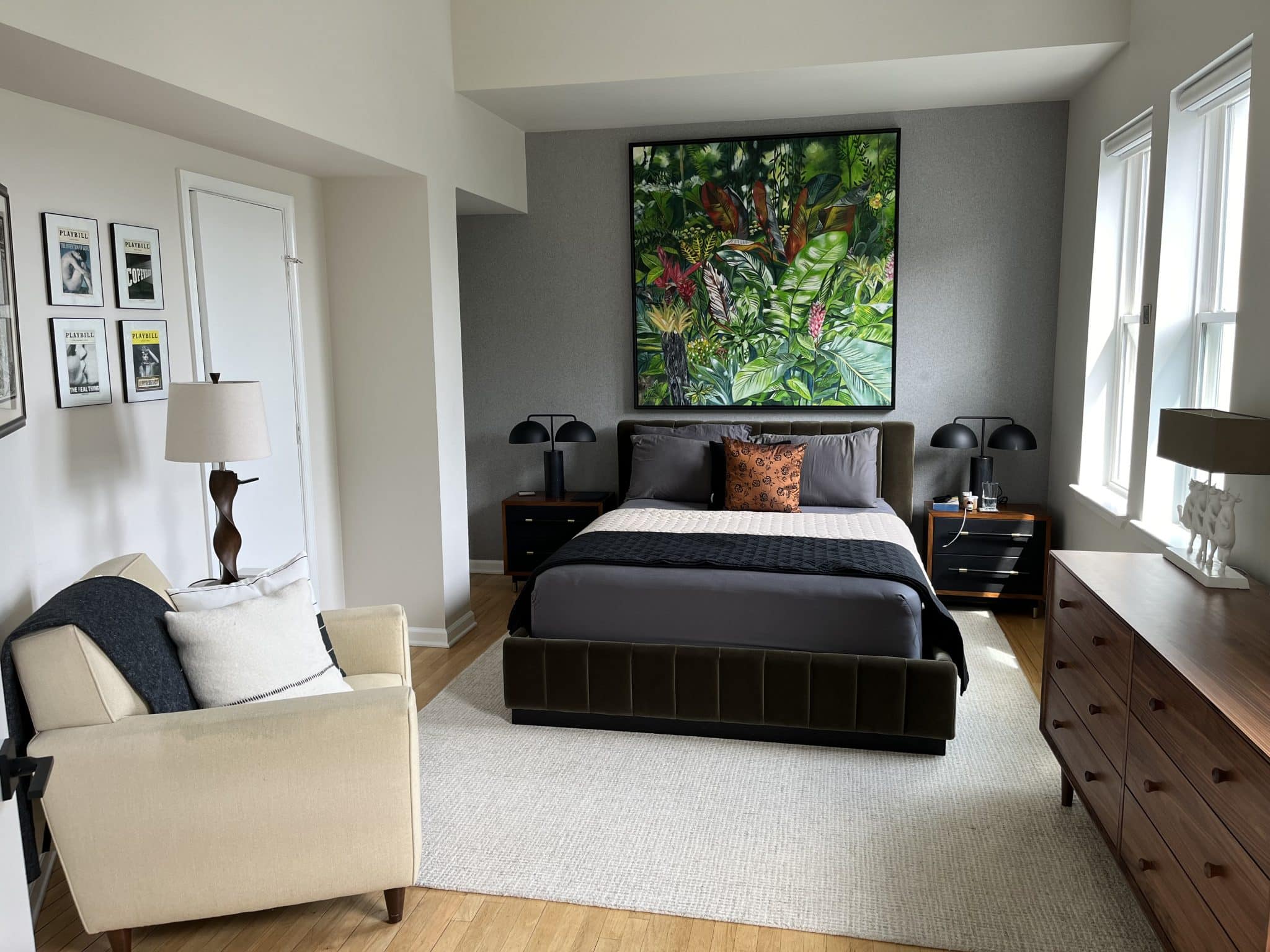
Jess Jacobs, Tuitalas Garden series, 2023, acrylic on canvas, 59″ x 59″
Define Your Purpose: Why Are You Collecting?
Before diving in, it’s essential to understand your motivation for collecting. Are you looking to build your personal art collection to show family, friends, and fellow art lovers? Or are you on the hunt for the next rising stars, hoping to invest in art that will appreciate in value over time? Your reason for collecting will shape your approach to selecting and storing work.
If your goal is to create a personal art sanctuary, it’s all about finding works that resonate with you. Most likely these pieces will be displayed in your home, so it’s important to select art that uplifts your environment and reflects your values. The process becomes an extension of self-expression, turning your living space into a reflection of your experiences and beliefs.
A collector curating a personal collection will likely consider how each piece interacts with its surroundings—whether it brings joy, balance, or inspiration to the space. The process becomes highly intuitive, about choosing what feels right rather than chasing market trends or potential value. This kind of collecting also emphasizes preservation, ensuring each piece is maintained properly, not just for monetary worth but for personal meaning.
Alternatively, if you’re motivated by investment, research will play a larger role—analyzing market trends, following artists’ careers closely, and focusing on galleries with a track record of success. A sharp collector keeps close ties with galleries known for discovering and promoting promising talent. Success in this realm hinges on timing, instinct, and understanding which artists and genres align with current and future market demand.
No matter your purpose, these tips will ensure a smooth transition into art collecting.
Tip #1: Start Small and Build Over Time
You don’t need to be a billionaire to collect art. Many collectors—and even artists themselves—begin with small acquisitions, often trading pieces with friends or purchasing affordable works from emerging artists. You might start with prints, photographs, or small drawings that fit your budget. The beauty of beginning small is that it allows for experimentation, helping you discover your tastes gradually.
Some of the most meaningful collections grow organically, with each piece telling a story about where and how it was acquired. Whether it’s a modest etching from a local artist or a colorful print purchased on impulse, your collection becomes a timeline of your journey through the art world.
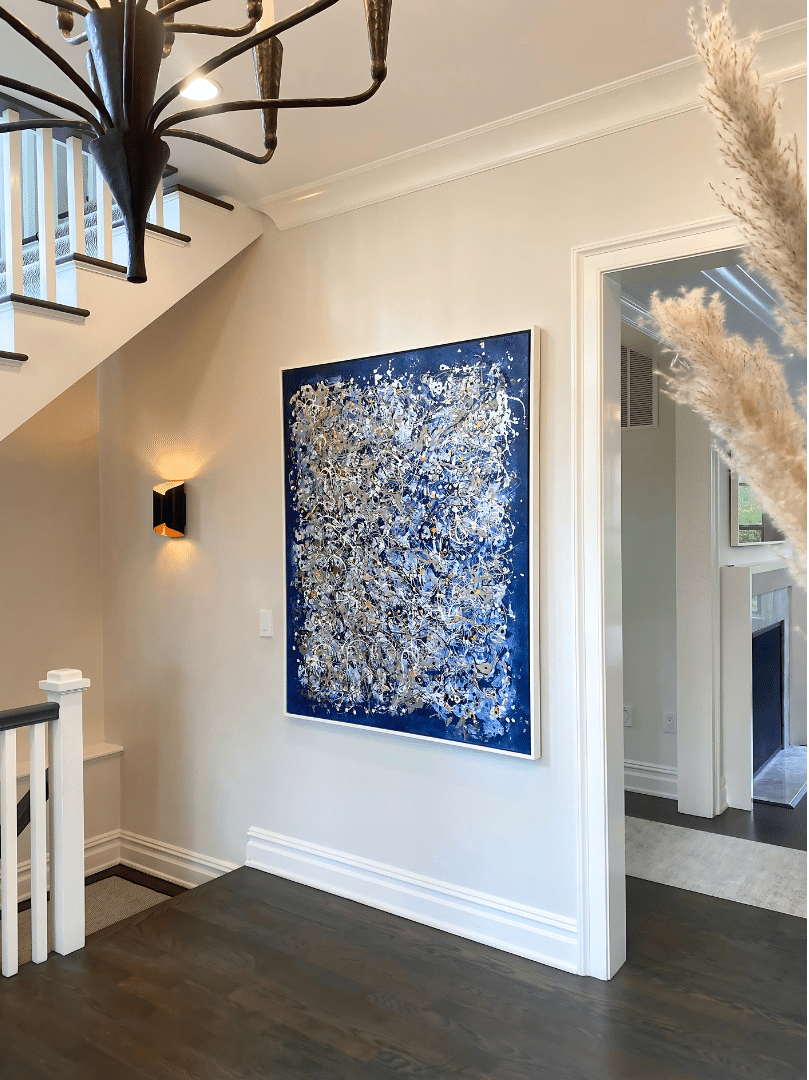
Mark Schiff, Mykonos Lilies, 2023, acrylic on canvas, 60″ x 48″
Tip #2: Take a Chance on Emerging Artists
Supporting emerging artists is not only a great way to start your collection affordably but also an investment in the future of art. New artists often push boundaries, experimenting with novel ideas and forms. Moreover, emerging artists rely heavily on the support of collectors and patrons, as public funding for the arts continues to diminish.
Ways to Discover New Talent:
Visit Up-and-Coming Galleries: Look for galleries that focus on showcasing young or unrepresented artists. These spaces are often more experimental and can introduce you to fresh work with a lighter price tag.
Attend Art School Shows: MFA exhibitions and open studio events at local art schools offer a glimpse into the future of contemporary art. These are often intimate spaces where you can meet artists, learn about their processes, and purchase work directly at a lower cost. Additionally, at the end of the academic year, art schools will hold their thesis exhibitions, which are open to the public.
Visit Open Studios: Most cities with a sizeable art community hold annual open studios, giving visitors the chance to see local artists at work. Buying directly from a studio provides access to the artist’s latest pieces and the chance to build a personal connection. With arts funding in decline, direct purchases also play a crucial role in supporting artists’ livelihoods and sustaining the health of the art market.
Follow Artists’ Careers: If an artist’s work resonates with you, subscribe to their newsletters and follow them on social media to stay updated on exhibitions, new works, and upcoming projects. This will allow you to follow their growth and possibly acquire their early works before their market value rises.
Taking a chance on emerging artists isn’t just financially prudent—it also builds meaningful connections. Knowing that your support has contributed to an artist’s journey adds an emotional dimension to your collection.
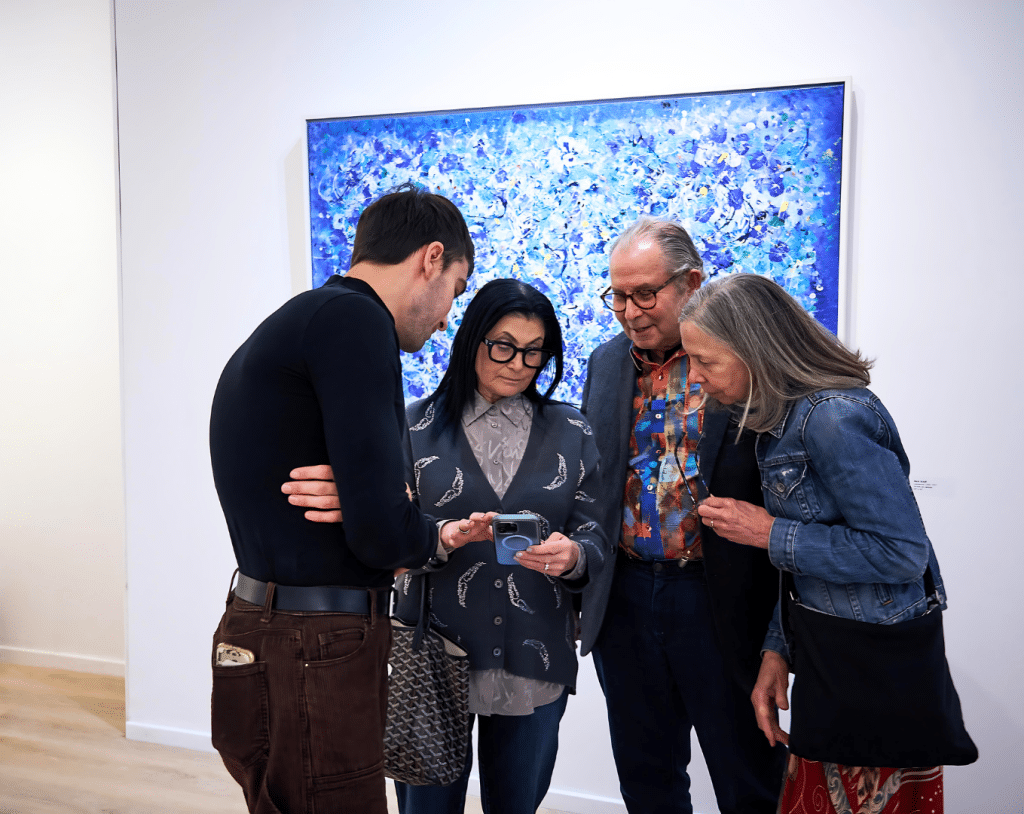
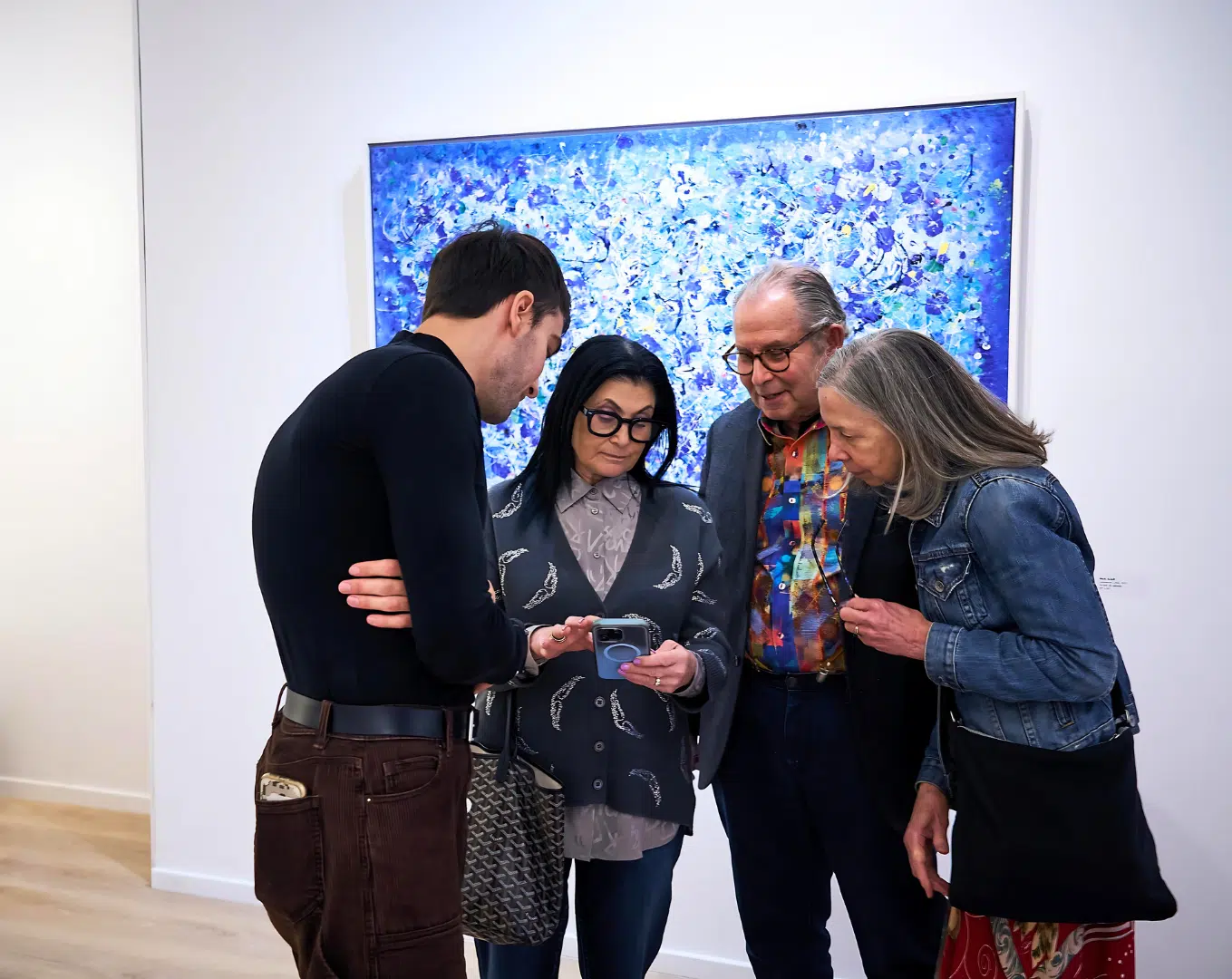
Photo taken during the opening reception of the ‘Mark Schiff: Lilies Exhibition’.
Tip #3: Visit Art Fairs
Art fairs provide an excellent opportunity to explore a variety of galleries and artists in one place, from prestigious events like Art Basel to smaller, local fairs. These gatherings offer more than just art shopping—they create a space to connect with gallery owners, curators, and sometimes the artists themselves.
While fairs often feature high-end pieces, many also showcase emerging artists with accessible price points, making them appealing to both seasoned collectors and newcomers. The art world operates in seasonal cycles, with major events clustered during the fall and spring in cities like New York or Miami Art Week in December. Increasingly, smaller cities such as Atlanta, San Francisco, and Chicago are hosting their own fairs, creating new opportunities to access the market and monitor trends.
Fairs are not just about buying art—they’re also a great way to network and build relationships. Engaging with gallery owners and curators can provide valuable insights into the artists they represent and help collectors stay informed about upcoming exhibitions or opportunities. Some galleries offer previews or private tours, giving collectors the chance to view works before they’re made available to the general public.
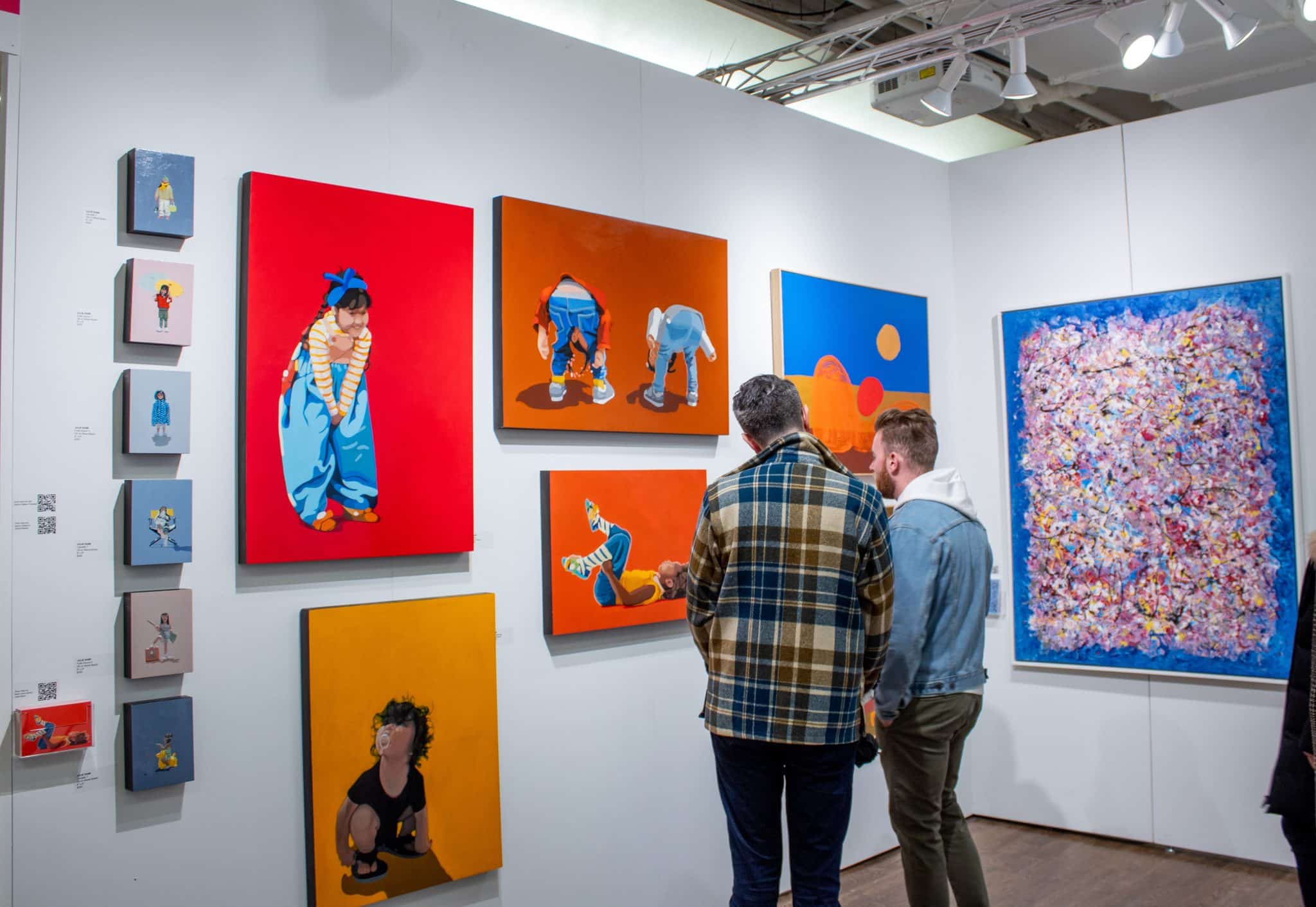
Agora Gallery’s booth at the New York Affordable Art Fair 2024.
Tip #4: Build Relationships with Galleries and Artists
Relationships play a vital role in the art world. Getting to know galleries and artists personally opens doors to new opportunities—such as being invited to previews, studio visits, or private events. Galleries often offer valuable insights about artists’ careers and market trends, which can be useful whether you’re collecting for passion or investment. Many artists and galleries appreciate collectors who take a genuine interest in their work, fostering a sense of community within the art world.
When you build relationships with artists directly, you not only gain a deeper understanding of their work but may also have the chance to purchase pieces before they are exhibited. Some collectors even commission artists to create bespoke works, resulting in highly personalized additions to their collections.
Attend gallery openings and studio visits whenever possible. When you buy directly from an artist or gallery, you are not only acquiring art but also contributing to the livelihood of those creating it. This direct support fosters a deeper relationship between collectors and the artistic community, leading to a more personal and meaningful collection.
Tip #5: Browse the Secondary Market and Auctions
In addition to galleries and studios, the secondary art market—comprised of auctions, resale platforms, and art dealers—offers another avenue for collecting. At auctions, works by well-known artists often come with high price tags, but there are also opportunities to discover hidden gems. Auction houses such as Sotheby’s, Christie’s, and Phillips offer both in-person and online sales, catering to different budgets.
If you choose to explore the secondary market, familiarize yourself with the auction process, including buyer’s premiums and bidding strategies. Be mindful that artworks purchased from auctions may carry additional fees, and some pieces might have complex ownership histories, so doing thorough research is essential.
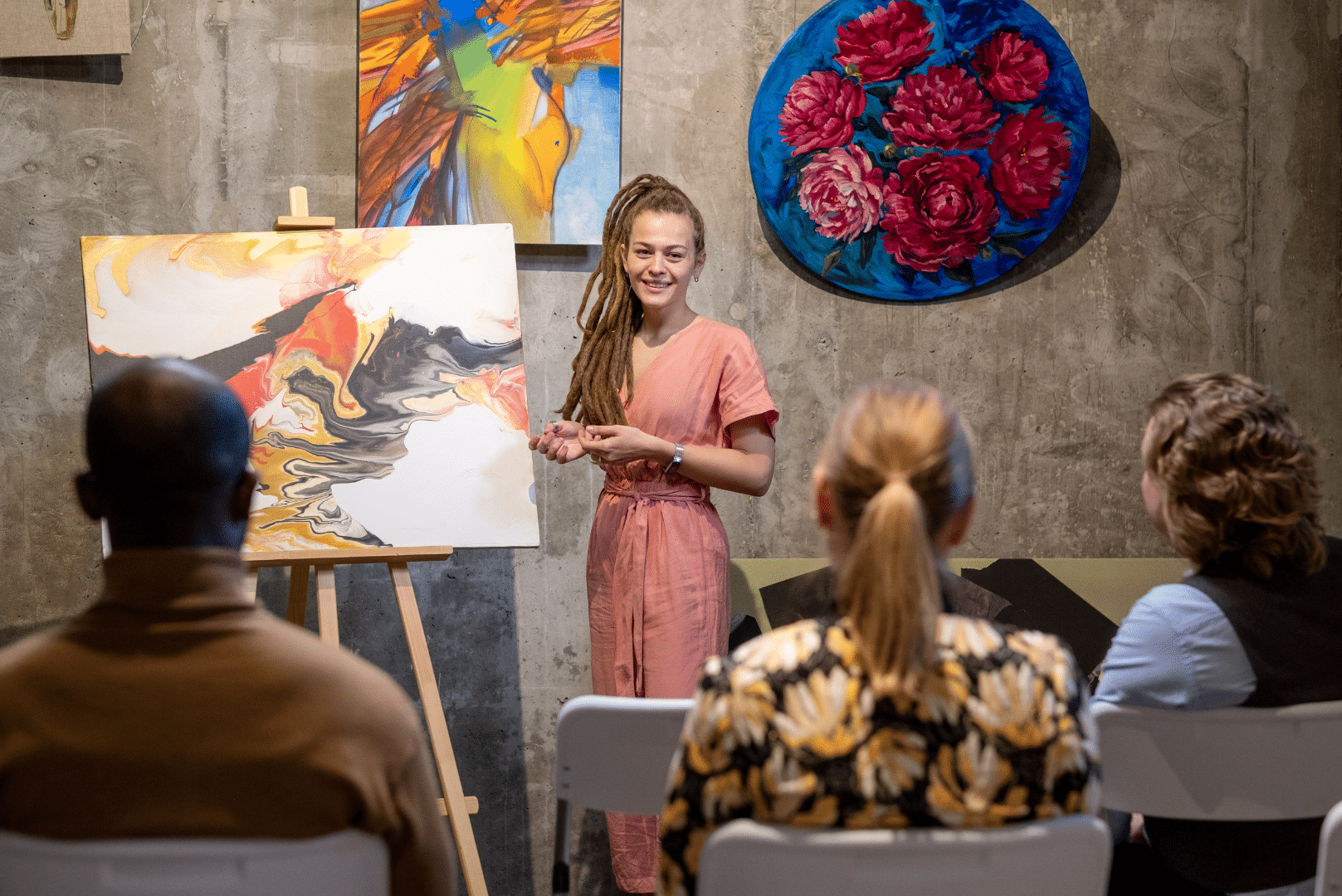
Tip # 6: Passion First, Profit Second
It’s easy to get swept up in the idea of finding the “next big thing” and hoping your art collection will become a financial windfall. However, art investment is unpredictable, and very few artists reach the level of fame where their work becomes a guaranteed financial asset. The art market is fluid, shaped by trends, cultural shifts, and external economic factors.
A wiser approach is to buy pieces that make your heart sing—art that brings joy and inspiration to your everyday life. If those pieces happen to increase in value over time, consider it a fortunate bonus. But the primary reward of collecting art should always be the experience of living with beautiful, thought-provoking works.
Beyond personal enjoyment, art collectors play a vital role in shaping cultural landscapes. Your support for artists contributes to the development of the arts and helps sustain creative communities. As your collection grows, you might have opportunities to collaborate with museums, lend works to exhibitions, or even organize your own exhibitions to share your collection with others.
Becoming an art collector is not just about ownership—it’s about participating in a larger conversation around art and culture. Collecting contemporary art allows you to engage with the issues and ideas shaping our time, creating a lasting impact both for yourself and the artists you support.